Yalla Falasteen
Revitalization Program
Religious
Religious Shrines
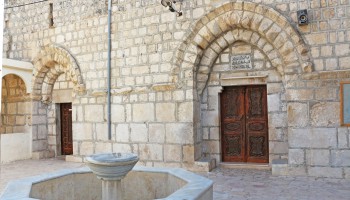
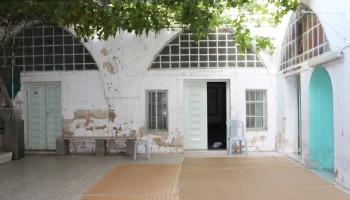
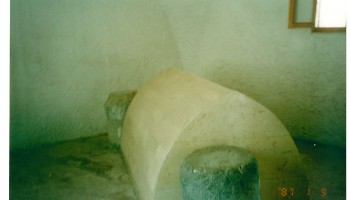
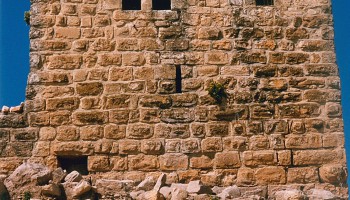
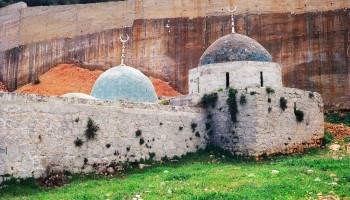
There are 24 religious shrines in Nablus. A shrine (maqām) mostly does not have a grave inside it, but it may have a structure there in the shape of the grave for blessing. A tomb that can be found inside the shrine sometimes has a grave. A grave is the structure which definitely has a body buried under or inside it. The zāwiyah is for worshipping, and it does not usually have a grave inside it. Zāwaiyahs are mostly centers for Islamic religious teaching and Sufi sheikhs.
The Historical Mosques within the boundaries of the old city in Nablus
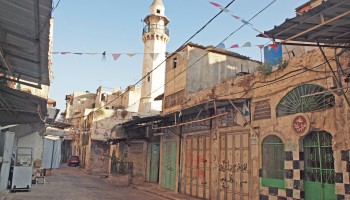
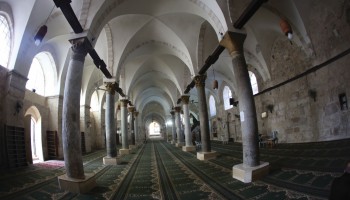
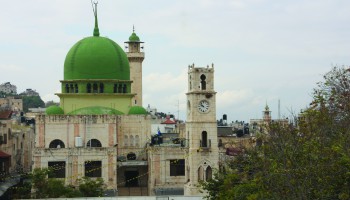
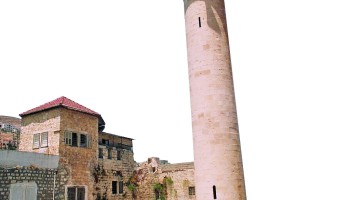
There are ten historic mosques within the boundaries of the old city in Nablus. It is believed that the as-Satūn mosque had been the first to be built there. Visitors to the city are advised to consider the holiness of the place, the intervals of praying, proper clothing and head covers; especially, during prayer times. Morning visits maybe more advisable than at other times. The visiting time is open and entry is free.
The Christian Inhabitants of Nablus and their Churches
The modern Christian citizens in Nablus had indigenously descended from the Ghassanid Arabs, who came from Yemen in the tenth century AD. They had then settled in the southern region of Jordan. Thence, they had come to Nablus at the beginning of the seventeenth century AD.
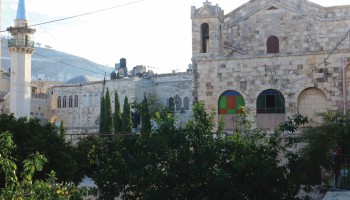
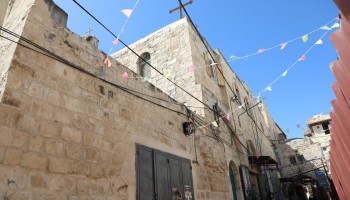
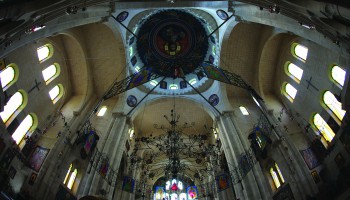
The vernacular folklore relates that the origin of this group had been a single family comprising a father, three boys and a girl. They had fled before then from al-Karak city in Jordan to Nablus where they had demanded protection and shelter from the governor of the city. The Nabulsis had given them the district of Rafidia, which had been named in honor of the girl, “Rafīd,”. Concerning the churches of Nablus, there are several attractive ones where the most important of them traditionally exist nowadays inside the old city