Yalla Falasteen
Revitalization Program
Hammams ( public Baths )
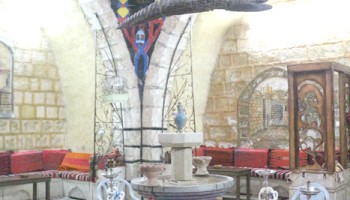
The Public baths, (hammām, plural hammāmāt) in Nablus have played a central and distinguished role in the social life of the city. They have served the need for cleanliness and hygiene as well as the provision of a forum for livelihood and leisure for both men and women.
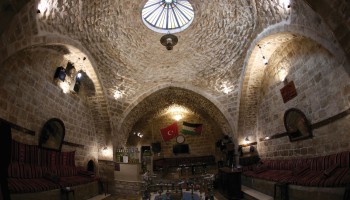
A beautiful environmental design had been employed in the construction of the baths. The aim is the preservation of the internal temperature inside the bath. This has been achieved by designing double doors at passageways at each end. Good ventilation has been taken into consideration through holes in the roof, and natural light penetrates by means of round glass roof openings. The roof itself is insulated and each bath has water wells for collecting rainwater.
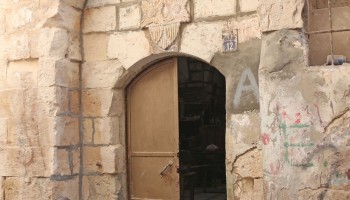
The layout and construction of the baths follows a common pattern. The entrance of the bath leads first to a summer dressing room. It is usually designed close to a winter dressing one. Then there is the hot room which is ringed by individual bathing cells, al-Khulwāt. Usually there are narrow passages with heat-conserving low doors at each end leading from one part of the bath to the other. Ten different baths had been built in the old city of Nablus at different times.
Certain days have been set aside for men rather than women. Below are details of the baths which had been built traditionally. They are visited for both bathing and socialising. Lately a few baths have been refurbished in heritage buildings such as the Ashour soap factory in al-Nasr street, which had been reserved for women only.